What Defines High Fantasy?
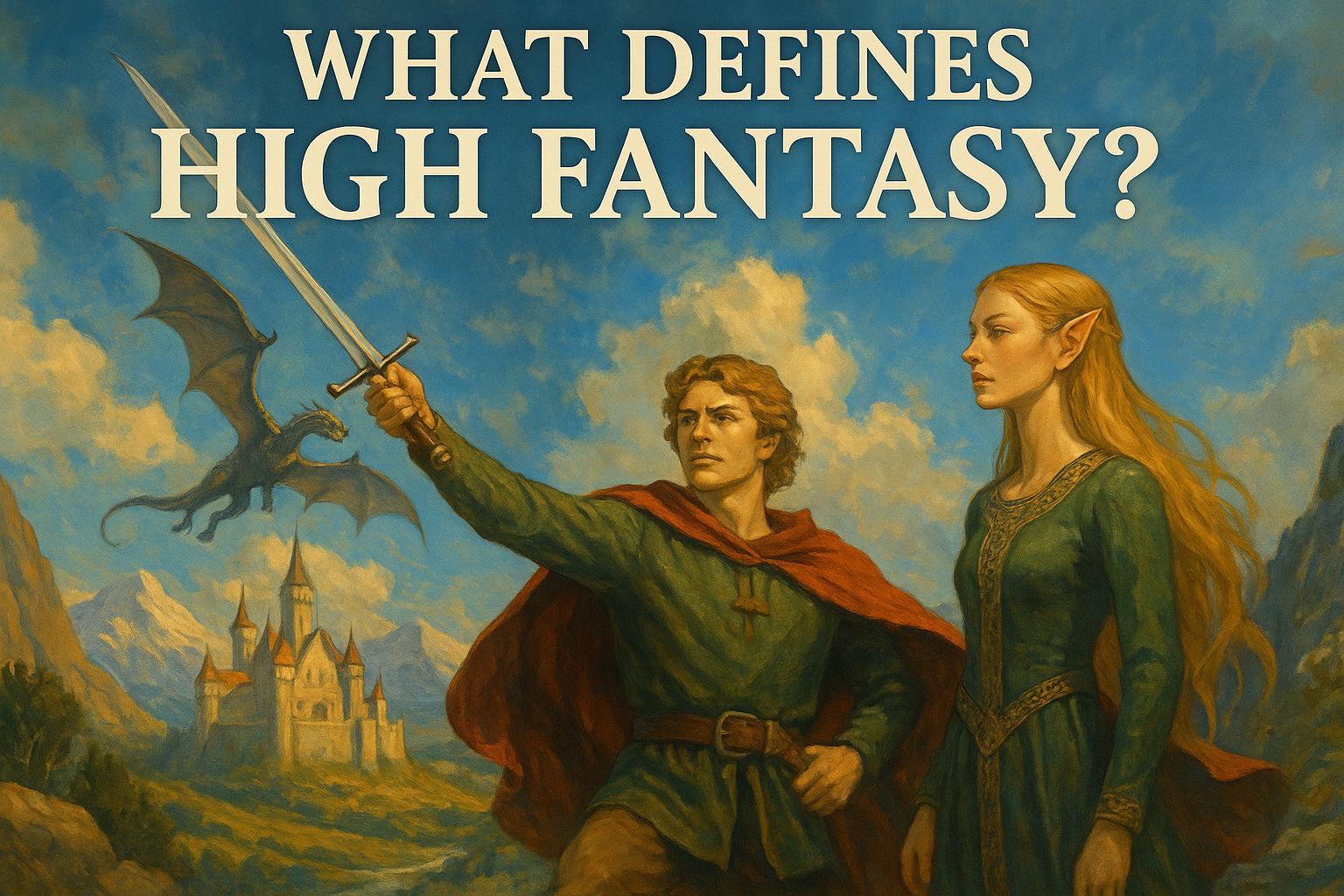
Understanding High Fantasy
High fantasy is a unique and enriching subgenre within the larger tapestry of fantasy literature that captivates readers with its grandiose elements and imaginative landscapes. Distinguishing itself from other fantasy forms such as low fantasy or urban fantasy, high fantasy is recognized by its world-building, epic narratives, traditional character archetypes, and the central role of magic. These components combine to create an immersive experience where extraordinary adventures unfold in vivid detail.
The Creation of an Imaginary World
At the heart of high fantasy lies the meticulous crafting of a wholly imaginary world. This aspect sets high fantasy apart, as it does not rely on the real world for its backdrop but instead introduces readers to new realms, each with unique rules and histories. High fantasy authors dedicate considerable effort to world-building, providing readers with detailed depictions of ecosystems, cultures, languages, and histories. This comprehensive approach allows the audience to become fully immersed in these fictional worlds. For instance, J.R.R. Tolkien’s “The Lord of the Rings” series showcases exemplary world-building with Middle-earth, a realm replete with its own geography, languages, and peoples that breathe life into the narrative.
Epic Scope and Scale
Another defining element of high fantasy is its epic scope and scale. Stories within this genre often tackle immense themes and narratives with vast stakes. Characters in high fantasy are frequently engaged in monumental battles between forces of good and evil, embarking on quests for powerful artifacts or trying to determine the fate of entire kingdoms or worlds. This expansive scale pushes the protagonists to their limits, allowing authors to explore complex ideas concerning power dynamics, morality, and the true nature of heroism. The genre thrives on these grand narratives, inviting readers to ponder eternal struggles and moral quandaries as they delve deeper into the fiction.
Characters Embodying Traditional Archetypes
Characters in high fantasy typically follow established archetypes, providing a familiar framework for adventuring tales. These archetypal figures often include the hero, usually an ordinary character thrust into extraordinary circumstances facing off against malevolent forces. Accompanying them are archetypes like the wise mentor, the enigmatic wizard, and the determined warrior. These characters serve not only as familiar figures in a fantastical tale but also as conduits for storytelling. While traditional archetypes form the backbone of many high fantasy stories, contemporary works have begun to experiment with these roles, introducing complexity and subverting expectations. This innovation adds layers of depth to characters, crafting multifaceted personalities that reflect the evolving landscape of modern narratives.
Magic as a Central Element
Magic functions as a fundamental pillar of high fantasy, playing a central role not just as part of the world-building but also as a critical element in plot development. The portrayal of magic varies greatly—from structured, rule-bound systems to mystical, undefined forces that defy explanation. Whether through spellcasting, enchanted artifacts, or mystical beings, magic serves to propel stories forward, creating opportunities and challenges for characters. It adds depth and intrigue to narratives, often acting as both a tool and a hurdle in the paths of heroes and villains alike. Magic’s omnipresence in high fantasy allows authors to explore themes of creation, destruction, and the balance of power within their exquisitely crafted worlds.
Conflict as a Driving Force
Conflict is a critical narrative element within high fantasy, often presenting itself in dual layers. Personal struggles frequently dovetail with larger global or even cosmic conflicts. While individual characters may grapple with inner demons and interpersonal relationships, these personal battles often unfold against the backdrop of overarching conflicts that span races, kingdoms, or entire worlds. This intertwining of private and expansive struggles enhances narrative tension and offers a rich platform for nuanced storytelling. The dual nature of conflict in high fantasy ensures detailed character development while maintaining the grandeur of the overarching narrative.
Good vs. Evil Themes
A hallmark of traditional high fantasy is its exploration of the age-old battle between good and evil. Typically, these stories offer clear distinctions between the two, with morally unambiguous heroes battling against nefarious villains. This straightforward dichotomy allows readers to easily follow the narrative and invest in the protagonists’ journeys. However, contemporary high fantasy often blurs these lines, presenting complex character motivations and morally ambiguous landscapes. This shift mirrors changing societal values, offering a reflection of the intricacies and moral complexities of the modern world. Such evolutions within the genre keep it relevant and engaging, providing a fresh take on timeless themes while challenging readers to reconsider their understanding of morality.
Conclusion
High fantasy continues to captivate audiences with its sweeping narratives and richly detailed worlds. Its enduring appeal stems from its ability to blend the new with the traditional, offering readers a chance to explore not only expansive imaginary realms but also profound themes related to the human condition. By integrating complex characters, intricate conflicts, and moral quandaries, high fantasy provides a canvas for writers and readers alike to dive into epic stories that resonate long after the final page is turned. Whether adhering to the classic formulas or venturing into innovative territories, high fantasy remains a vibrant and dynamic genre, enchanting readers across the globe with its depth, imagination, and timeless explorations.
Comments are closed.
Comments on 'What Defines High Fantasy?' (0)
Comments Feed