The Rise of Portal Fantasy in Fiction
Introduction to Portal Fantasy
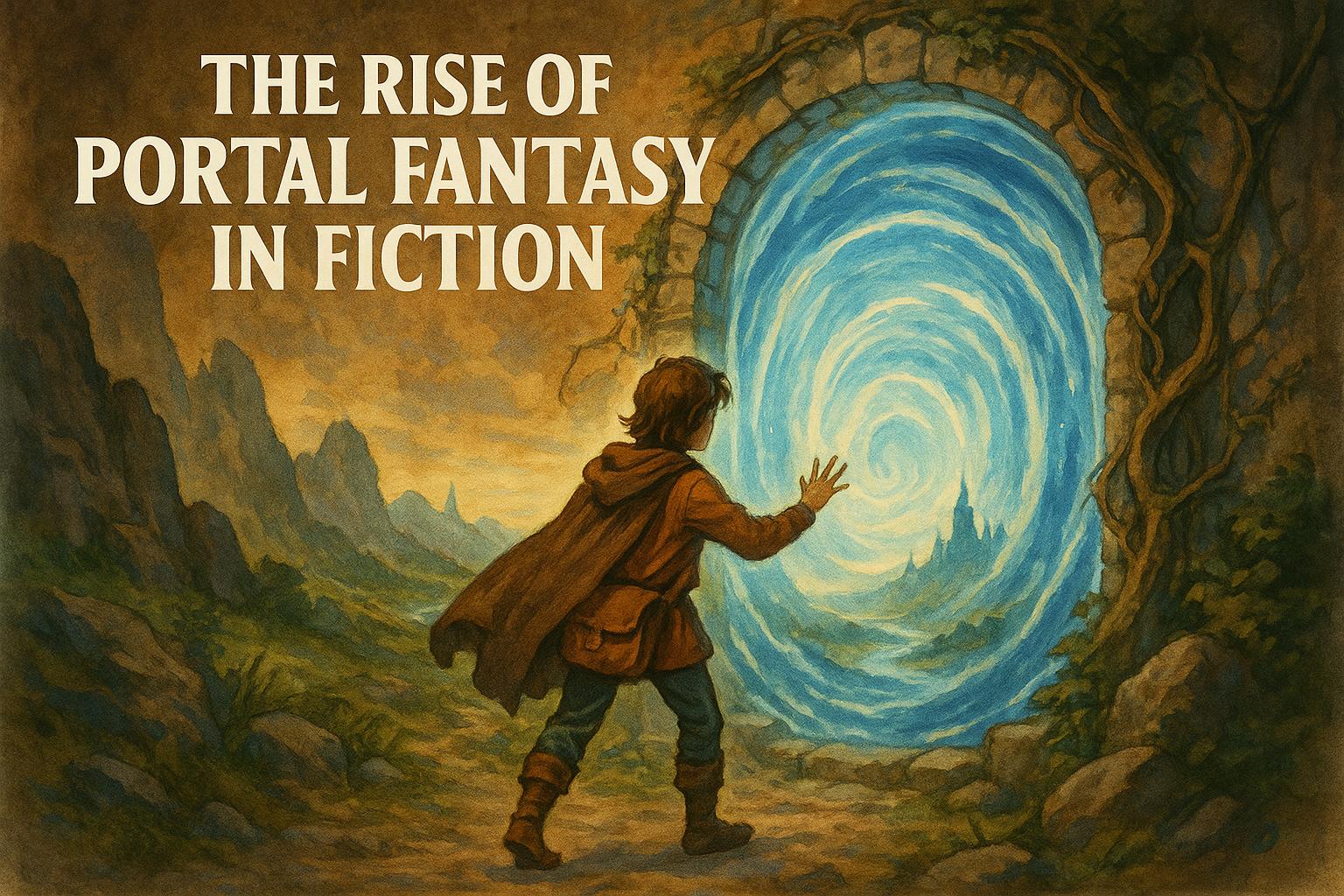
Portal fantasy, a subgenre within the broader fantasy literature sphere, revolves around characters who journey from the mundane reality into an enchanting fantastical realm through a magical portal or gateway. This narrative device serves not only as a doorway between two different worlds but also as a metaphorical passage for personal transformation and self-discovery. Over the years, portal fantasy has gained substantial popularity, offering readers the double delight of encountering both familiar and extraordinary experiences. By intertwining elements of the known world with the fictional one, this genre delivers a narrative that is both escapist and reflective.
Historical Context
The concept of magical gateways facilitating journeys into other worlds has deep roots in storytelling traditions across cultures. From ancient myths featuring mysterious entrances to folk tales of enchanted lands, stories of traversing between worlds have captivated audiences for centuries. While the essence of portal fantasy is age-old, its modern form began to crystallize in the early 20th century. Pioneering works such as “The Wonderful Wizard of Oz” by L. Frank Baum and C.S. Lewis’s “The Chronicles of Narnia” laid the groundwork for the genre. Through their intricate settings and imaginative narratives, these stories not only defined the genre but continue to inspire contemporary writers and creators.
Key Characteristics of Portal Fantasy
Transition Between Worlds: Central to portal fantasy is this transition from reality to a realm of imagination. Typically, a specific object or location serves as the portal, a touchstone that readers can identify with—be it a wardrobe leading to Narnia or the cyclone that sweeps Dorothy to the land of Oz. These portals mark a boundary and a bridge between the two worlds, facilitating the central journey of the narrative.
Duality of Setting: The narrative of portal fantasy unfolds across two juxtaposed settings: the everyday world and the fantastical realm. This duality provides a rich canvas for exploring profound themes such as escapism and personal identity. It allows characters—and through them, the readers—to navigate and reconcile disparate aspects of life, emphasizing both the allure of escapist adventures and the quest for deeper self-understanding.
Character Development: In their journey through fantastical worlds, characters undergo journeys of self-discovery and transformation. The challenges and surreal experiences they encounter serve as catalysts for growth, often leading to revelations about their own strengths and weaknesses. This blend of external adventure with introspective insight makes portal fantasy particularly resonant, as it mirrors real-world journeys of personal evolution and understanding.
The Appeal and Impact of Portal Fantasy
Portal fantasy captivates audiences by offering an alluring mix of imaginative escapism and thoughtful reflection. While the fantastical elements provide a pleasurable diversion from everyday life, the underlying themes invite readers to engage with complex ideas about reality, identity, and morality. This genre’s broad appeal is evident in its prevalence across various media forms, including literature, film, and video games.
Beyond mere entertainment, portal fantasy encourages audiences to contemplate how they navigate the boundaries between the tangible and the imagined. It prompts dialogue about the nature of reality and the exploration of one’s own identity amidst changing circumstances. Thus, the impact of portal fantasy extends far beyond its narrative scope, influencing both personal introspection and broader discussions on philosophical themes.
Current Trends and Future Directions
In recent years, portal fantasy has experienced a resurgence, characterized by diverse narratives that weave together multiple cultural influences. Contemporary authors often subvert traditional tropes, providing fresh perspectives that challenge established storytelling norms. These reinterpretations not only enrich the genre but also expand its appeal to new audiences, eager for narratives that reflect a wider array of experiences and viewpoints.
Contemporary explorations of portal fantasy reflect an evolution of the genre. Whether through blending elements from different cultures or incorporating modern socio-political themes, these stories continue to push boundaries and redefine what portal fantasy can be. By engaging with such narratives, readers can gain insight into the innovative directions the genre is taking.
In conclusion, the enduring fascination with portal fantasy underscores its potent combination of real-world relatability and fantastical escapade. As it captures the imaginations of audiences across the globe, the genre’s sustained popularity hints at its vital role in the landscape of speculative fiction. The exploration of mystical worlds through portals promises to remain a creative wellspring for writers and creators for years to come, continually inviting readers to journey beyond the constraints of their own realities.
Comments are closed.
Comments on 'The Rise of Portal Fantasy in Fiction' (0)
Comments Feed