What Is Science-Fantasy?
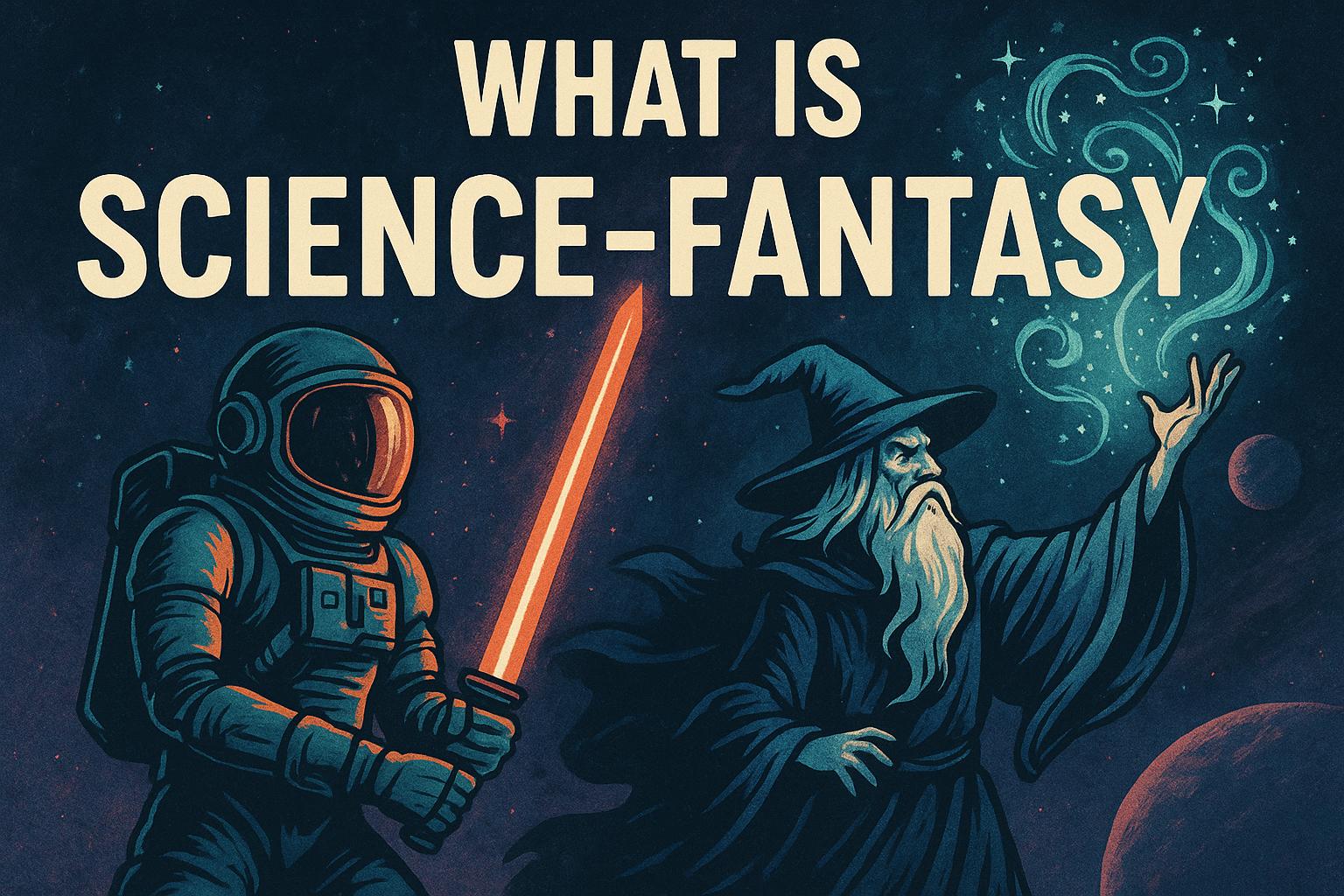
Understanding Science-Fantasy
Science-fantasy is a distinctive subgenre that combines elements of both science fiction and fantasy. It weaves together technological advancements and scientific theories typical of science fiction with the mythical, magical, and often otherworldly components found in fantasy. This results in narratives that uniquely blur the lines between possible futures and imaginary worlds.
Key Characteristics of Science-Fantasy
The defining feature of science-fantasy is its ability to incorporate elements from both parent genres seamlessly. Some stories might be set in a distant future where magic is scientifically studied, while others could involve space-faring civilizations that use mysticism alongside advanced technology. This mingling allows for the creation of intricate worlds where the rules of science and magic intermingle fluidly, offering endless storytelling opportunities.
Considering the narrative potential of science-fantasy, the settings range from the vast expanses of uncharted galaxies to enchanted realms where the laws of physics coexist with magical incantations. A science-fantasy story might, for instance, depict a universe where space travel is made possible not only through engineering marvels but also through arcane rituals. Alternatively, it might showcase a civilization where inhabitants harness the power of mystical elements to manipulate futuristic technology.
Another crucial aspect of science-fantasy is its thematic exploration. These narratives often focus on grand themes such as heroism, moral choices, the battle between good and evil, and the tension between technological advancements and the natural world. Characters in science-fantasy stories may find themselves grappling with the ethical implications of harnessing magical powers in technological societies or seeking balance in worlds threatened by scientific exploitation and mystical forces.
Examples of Science-Fantasy
Many popular works fall into the science-fantasy category. George Lucas’s iconic Star Wars saga is often cited as a quintessential example, blending futuristic technology with the age-old struggle between good and evil, often manifested through a mystical energy field known as the Force. In Star Wars, the Force embodies a unique fusion of magical and metaphysical elements, shaping the destinies of characters in a universe governed by space travel, interstellar conflicts, and advanced technology. This balance between science fiction and fantasy elements is what makes the Star Wars narrative timeless and universally appealing.
Another example is Anne McCaffrey’s Dragonriders of Pern series, which combines the grandeur of dragon mythology with a scientifically rational explanation for their existence. Set on the planet Pern, where dragons and humans coexist, the series delves into the survivalist challenges posed by a rain of deadly spores. While the presence of dragons evokes classic fantasy imagery, McCaffrey integrates scientific explanations that enhance the plausibility of this imaginary world, creating a rich blend of fantasy elements with scientific underpinnings.
Furthermore, the imaginative realms of science-fantasy have inspired numerous works in various media, including literature, television, films, and video games. These narratives create rich, multidimensional worlds that intrigue both science fiction and fantasy enthusiasts, widening the genre’s appeal across different platforms. Influences of science-fantasy can be seen in many franchises that explore the intersections of science, technology, and the supernatural.
Reception and Appeal
Science-fantasy appeals to a broad audience due to its versatility and the freedom it allows in world-building. This genre attracts fans of speculative fiction, offering elements grounded in scientific precision and those rooted in the ethereal and magical. Readers who enjoy speculative technology can appreciate the scientific aspects, relishing descriptions of futuristic innovations and theoretical advancements. Meanwhile, those who are drawn to the magical and fantastical can immerse themselves in realms where the impossible becomes possible through mystical means.
This fusion often results in a diverse fan base and a vibrant community of creators and consumers who are drawn to the genre’s imaginative possibilities. These communities engage in discussions, share creations, and expand upon the existing worlds presented in science-fantasy narratives. Such interaction fosters a communal experience that enhances the enjoyment and appreciation of the genre.
The genre also encourages creative cross-pollination, where writers and creators from different backgrounds bring unique perspectives to science-fantasy storytelling. This collaborative spirit enriches the genre, providing fresh interpretations and pushing the boundaries of traditional narrative structures. This openness to experimentation results in works that challenge conventional genre definitions and pave the way for innovative storytelling techniques.
Conclusion
The allure of science-fantasy lies in its expansive creative potential. By merging the realms of scientific plausibility and boundless imagination, it offers narratives that are both thought-provoking and fantastical. Whether exploring distant galaxies or magical realms, science-fantasy remains a dynamic and captivating genre within the wider speculative fiction landscape. Through its merging of disparate elements, it invites audiences to ponder the coexistence of scientific reason and magical wonder, encouraging a continual exploration of the imagination.
The flexibility of science-fantasy ensures its continual evolution and relevance, bridging gaps between hard scientific inquiry and the limitless possibilities of fantasy. It invites both creators and audiences to envision worlds that inspire wonder while contemplating profound moral and philosophical questions. Therefore, science-fantasy will undoubtedly maintain its place in hearts and minds as a genre that delightfully challenges and expands the horizons of speculative fiction.
Comments are closed.
Comments on 'What Is Science-Fantasy?' (0)
Comments Feed