How C.S. Lewis Blended Fantasy and Allegory
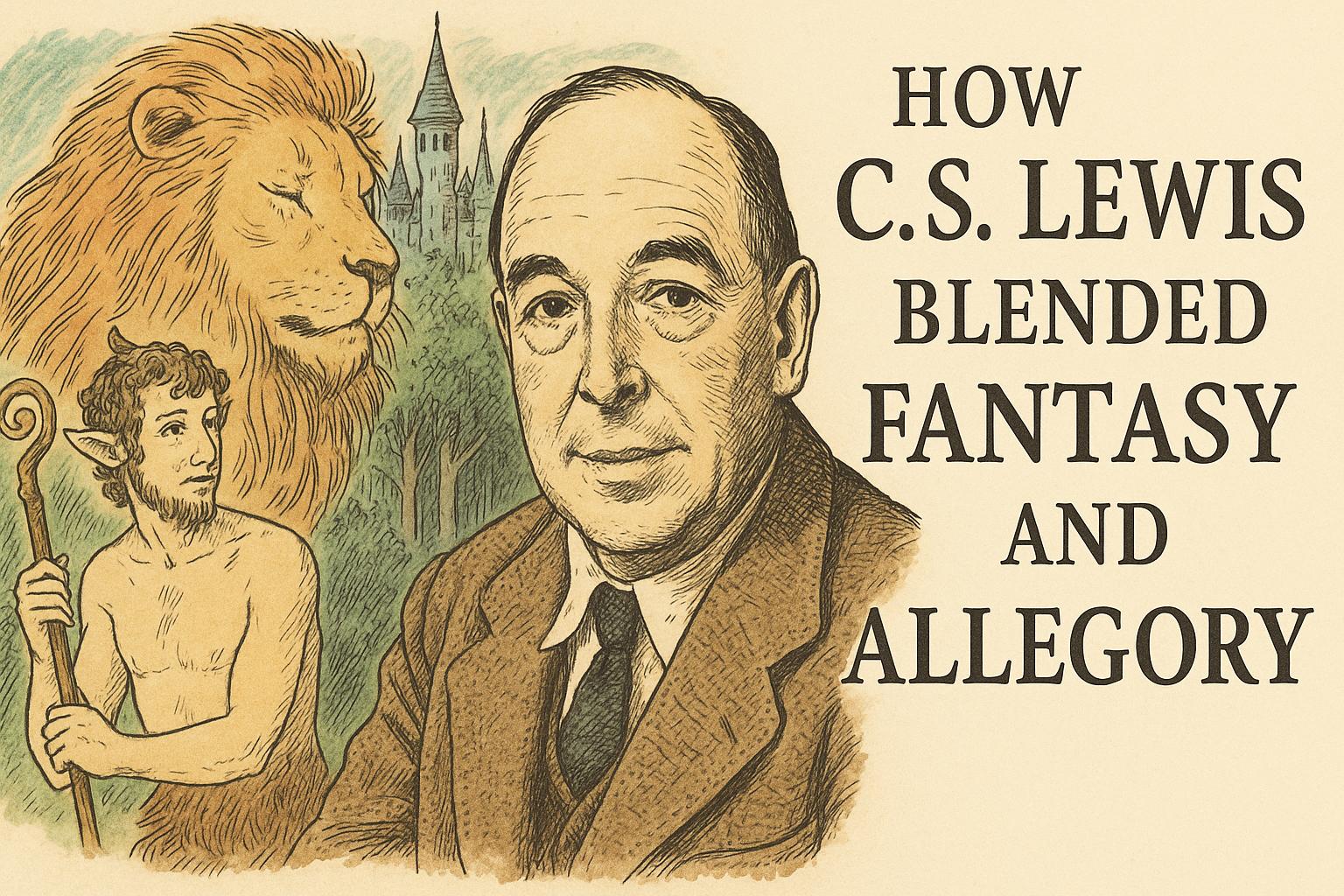
C.S. Lewis and the Art of Blending Fantasy with Allegory
C.S. Lewis is one of the most renowned authors of the 20th century, known for his ability to intertwine fantasy with allegorical elements. His works often explore profound theological and ethical themes through the medium of fantastical settings.
The Foundation of Lewis’s Fantasy Worlds
C.S. Lewis’s approach to fantasy was influenced by his deep understanding of mythology, philosophy, and theology. Born in 1898 in Belfast, Ireland, Lewis’s early exposure to classical literature and mythology played a crucial role in shaping his narrative style. His belief that literature could convey truth through metaphor and allegory allowed him to craft immersive worlds that resonated on multiple levels.
Lewis’s education and the cultural environment in which he grew up also significantly contributed to his worldview. He was well-versed in the works of Homer, Virgil, and other classical authors, as well as the rich tapestry of Norse and Celtic myths. This early foundation laid the groundwork for the rich textures and depth found in his own literary creations.
Moreover, Lewis’s personal experiences, particularly his service in World War I and his time as an academic at Oxford and Cambridge, profoundly shaped his perspectives. These experiences informed both the realistic and fantastical elements of his narratives, giving them a unique blend of authenticity and otherworldly allure. His interactions with contemporaries like J.R.R. Tolkien also played a significant role, as their conversations often revolved around myth, narrative, and the role of fantasy in literature.
The Chronicles of Narnia: A Prime Example
Perhaps the most famous of Lewis’s creations is The Chronicles of Narnia, a seven-part series that has captured the imaginations of readers worldwide since its publication in the 1950s. The series is set in the fictional realm of Narnia, where animals talk, magic is common, and battles between good and evil unfold.
In these works, Lewis used fantasy to explore Christian themes and moral lessons. For example, Aslan the lion in The Lion, the Witch and the Wardrobe serves as an allegorical figure for Christ, embodying themes of sacrifice and resurrection. However, Lewis insisted that the series was not purely allegorical, allowing readers to enjoy the narrative independently of its deeper meanings.
The Chronicles of Narnia is more than just a narrative; it is an intricate tapestry of themes and symbols. Each book in the series addresses a specific moral or philosophical dilemma, embedding it within the fantastical adventures of its characters. For instance, in The Magician’s Nephew, the theme of creation is vividly illustrated through the birth of Narnia, offering allegorical parallels to the biblical story of Genesis.
Fantasy as a Vehicle for Allegory
Lewis believed that fantasy offered unique opportunities to address complex ideas in a way that was accessible to a broader audience. In his essay On Stories, Lewis argued that fantasy provides an imaginative space free from the constraints of the real world, allowing authors to explore ideas and themes without being hampered by contemporary realities.
For instance, in The Voyage of the Dawn Treader, Lewis explores themes of personal growth and spiritual discovery through the journey of the characters across Narnia’s seas. This narrative method allows readers of all ages to engage with philosophical concepts without overt didacticism.
The fantasy worlds crafted by Lewis offer a safe space for readers to confront unsettling realities and ethical quandaries. By masking complex questions within layers of fiction, Lewis enables a non-threatening engagement with topics that might otherwise provoke resistance or discomfort. The allegorical method provides clarity and insight, allowing readers to reflect on their own lives and beliefs through the lens of story.
Interplay with Personal Beliefs
Lewis’s own conversion to Christianity deeply influenced his writing, reinforcing his belief in the power of narrative as a means for exploring faith. While Lewis used allegory to express his religious views, he avoided explicit preaching, instead allowing the stories to serve as a reflection of his beliefs.
He once stated in a letter that he did not set out to write deliberately allegorical stories, but that his beliefs naturally permeated his work. This approach helped Lewis reach an audience that may not have been amenable to overt theological discourse but could be engaged through the power of story.
Lewis’s personal journey from atheism to Christianity adds a biographical dimension to his work, serving as a silent testament to the transformative power of belief. His sincerity and respect for his audience’s intelligence ensured that his stories could be appreciated on multiple levels, by believers and non-believers alike. Lewis successfully navigated the delicate balance between using fiction as a vehicle for theology and leaving room for interpretation and imagination.
Legacy and Influence
C.S. Lewis’s skillful blend of fantasy and allegory has cemented his place in literary history. His works continue to be studied for their rich interplay of narrative and meaning, often serving as a touchstone for discussions on how fiction can contribute to moral and philosophical dialogue.
Through the lens of fantasy, Lewis offered readers a way to explore complex and timeless themes, ensuring that his stories remain relevant to each new generation. His influence extends beyond literature, impacting philosophy, theology, and education, as scholars and students delve into the depths of his thought-provoking tales.
The broader cultural landscape today bears the imprint of Lewis’s legacy. Film adaptations, stage productions, and continuous reprints of his works attest to the enduring appeal of his stories. Authors across genres acknowledge the profound impact Lewis has had on shaping the narrative structure of modern literature, encouraging them to use their art as a means of exploring and communicating deeper truths.
Those interested in further exploring Lewis’s work might visit online platforms dedicated to his legacy and literature communities that continue to discuss his impact on both fantasy and allegorical storytelling. The dialogue around Lewis’s work continues to thrive, fostering a sense of community among readers and thinkers who find inspiration and solace in the pages of his books.
Comments are closed.
Comments on 'How C.S. Lewis Blended Fantasy and Allegory' (0)
Comments Feed