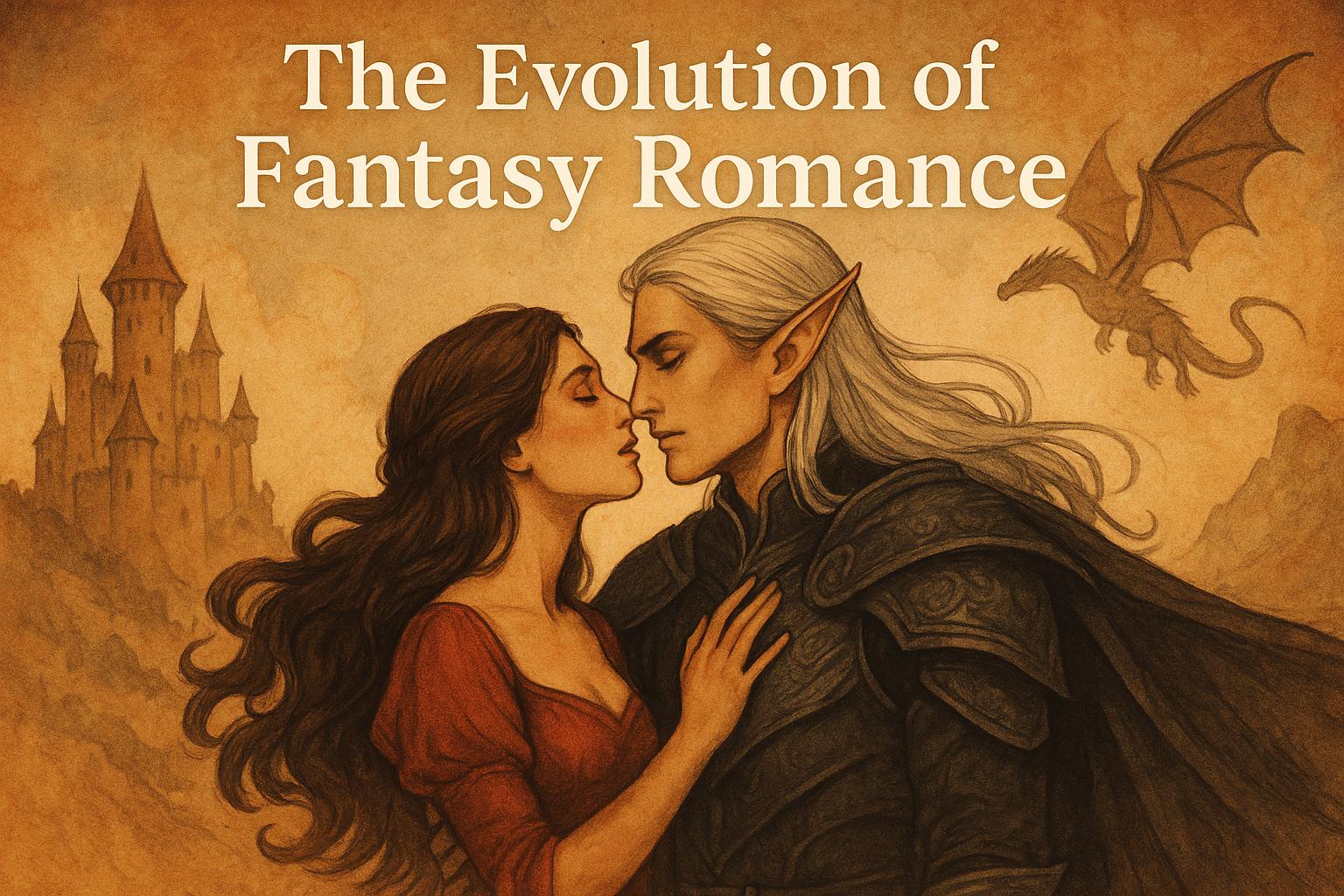
The Evolution of Fantasy Romance
The Early Beginnings
The fantasy romance genre is a tapestry woven from innumerable threads of cultural history and human imagination. Its origins are deeply embedded in ancient mythology and folklore, where magic and romance frequently intertwined to create timeless narratives. These early stories often featured gods, goddesses, and mythical creatures, blending the fantastical with the poetic. Such ancient legends did not just entertain; they provided a lens through which people understood their world, spirituality, and the complexities of love. The use of fantastical elements in these narratives was not merely decorative; they were essential in exploring the mysteries of human emotion and earthly experience. As storytelling evolved, so too did these magical-romantic tales, which continued to inspire writers and shape literary traditions for generations.
The Middle Ages and Romantic Literature
As European literature entered the Middle Ages, a new narrative form emerged that would have a profound impact on the development of the fantasy romance genre: the chivalric romance. This literary tradition focused on stories of adventure and heroism, deeply imbued with elements of magic and romance. Medieval literature often portrayed knights embarking on perilous quests, journeys marked by their encounters with magical phenomena and romantic liaisons. Such narratives were not only potent with the ideals of chivalry and courtly love but also thrived on the extraordinary—a trait that fantasy romance would continue to uphold. Some of the most enduring tales from this era include the Arthurian romances about King Arthur and his knights, which effortlessly married adventure with magic and romantic intrigue, paving the way for modern interpretations of fantasy romance.
The 19th Century and Romanticism
With the 19th-century Romantic movement, the merger of fantasy and romance in literary works reached new heights. Romanticism, with its focus on emotion and the individual experience, complemented the fantastical elements found in stories that sought to evoke deep emotional responses. Authors like Mary Shelley tapped into this rich vein of storytelling, although their works were not pure fantasy romance. In Frankenstein, while the novel is predominantly regarded as a milestone of science fiction, Shelley delves into themes of creation and emotional depth. This shows an early blend of scientific fascination with the romantic and the supernatural. The period was characterized by an exploration of nature, the mysterious, and the sublime—all focal points that fantasy romance literature would come to adopt and expand upon, incorporating emotional grandiosity and deeply personal journeys.
20th Century and Genre Expansion
The 20th century heralded a new age for fantasy romance, enabling it to stand independently with greater recognition as a literary category. Authors like J.R.R. Tolkien and C.S. Lewis began to incorporate romantic subplots into their epic fantasy narratives. Their works, such as The Lord of the Rings and The Chronicles of Narnia, introduced large audiences to intricate worlds replete with interwoven love stories. This integration allowed readers to experience love within extraordinary realms, providing escapism and emotional nourishment in tandem. The era also witnessed the emergence of fantasy romance as a fixture alongside other well-respected genres, further providing a venue for authors to explore the imaginative possibilities of merging magic and romance.
The Late 20th and Early 21st Century
The transition from the twentieth century into the early twenty-first century marked a considerable expansion in the genre’s influence and audience appeal. Contemporary fantasy sub-genres such as urban fantasy, high fantasy, and paranormal romance began to grow in popularity, opening up new avenues for storytelling within the domain of fantasy romance. Authors like Anne Rice and J.K. Rowling became notable figures, crafting narratives that skillfully intertwined romantic elements among the magical. Anne Rice’s vampire novels, for instance, delved into the intensity of human emotion amidst supernatural immortality. Meanwhile, in Rowling’s Harry Potter series, romance was embedded in the narrative as an underlying current that matured alongside its characters, enhancing character development and thematic depth without detracting from the central adventure.
The Modern Era and Current Trends
In the current literary landscape, fantasy romance stands as an incredibly diverse and adaptable genre, characterized by its ability to mirror evolving social and cultural values. One of the defining features of modern fantasy romance is the development of sub-genres, including but not limited to paranormal romance and urban fantasy, which have garnered significant attention and readership. Authors like Sarah J. Maas and Cassandra Clare exemplify this trend, capturing the imagination of audiences with narrative complexities and rich world-building. Such writers offer readers an escape into enchanting worlds while maintaining compelling and relatable romantic arcs.
The genre today places emphasis on strong character development and emotional complexity, focusing heavily on themes of empowerment, diversity, and inclusivity. These elements resonate with contemporary audiences and reflect societal shifts towards greater acceptance and representation. Furthermore, technology and digital platforms have played a pivotal role in the genre’s heightened popularity; e-books and online literary communities, such as blogs and forums, facilitate access to an increasing variety of fantasy romance literature. This has enabled readers to explore the genre beyond conventional publishing avenues, fostering vibrant discussions and communities within digital spaces.
Current trends in fantasy romance emphasize character growth and emotional maturation, embracing nuanced storytelling that speaks to broader human experiences. The genre’s adaptability ensures its continued relevance and appeal, cementing its place as a beloved fixture in literature. For those seeking deeper exploration, platforms like [Goodreads](https://www.goodreads.com) offer abundant resources and book recommendations that highlight the genre’s expansive reach and evolving nature.
Comments are closed.
Comments on 'The Evolution of Fantasy Romance' (0)
Comments Feed