The Influence of Gothic Fantasy on Horror Fiction
The Roots of Gothic Fantasy
Gothic fantasy, which found its initial expression in the latter part of the 18th century, has been instrumental in shaping the contours of modern horror fiction. The origins of gothic fantasy are traceable to the seminal work of Horace Walpole, whose 1764 novel, *The Castle of Otranto*, laid the foundational framework for this genre. The novel introduced key structural elements characteristic of gothic writing, such as medieval settings, ominous and foreboding architecture, and an underpinning of supernatural elements that would become quintessential to the genre. As gothic fantasy evolved, it absorbed contributions from notable authors like Mary Shelley and Edgar Allan Poe, who seamlessly wove strands of fear with fantastical elements, thus expanding the scope and depth of the genre.
The Core Elements and Their Impact
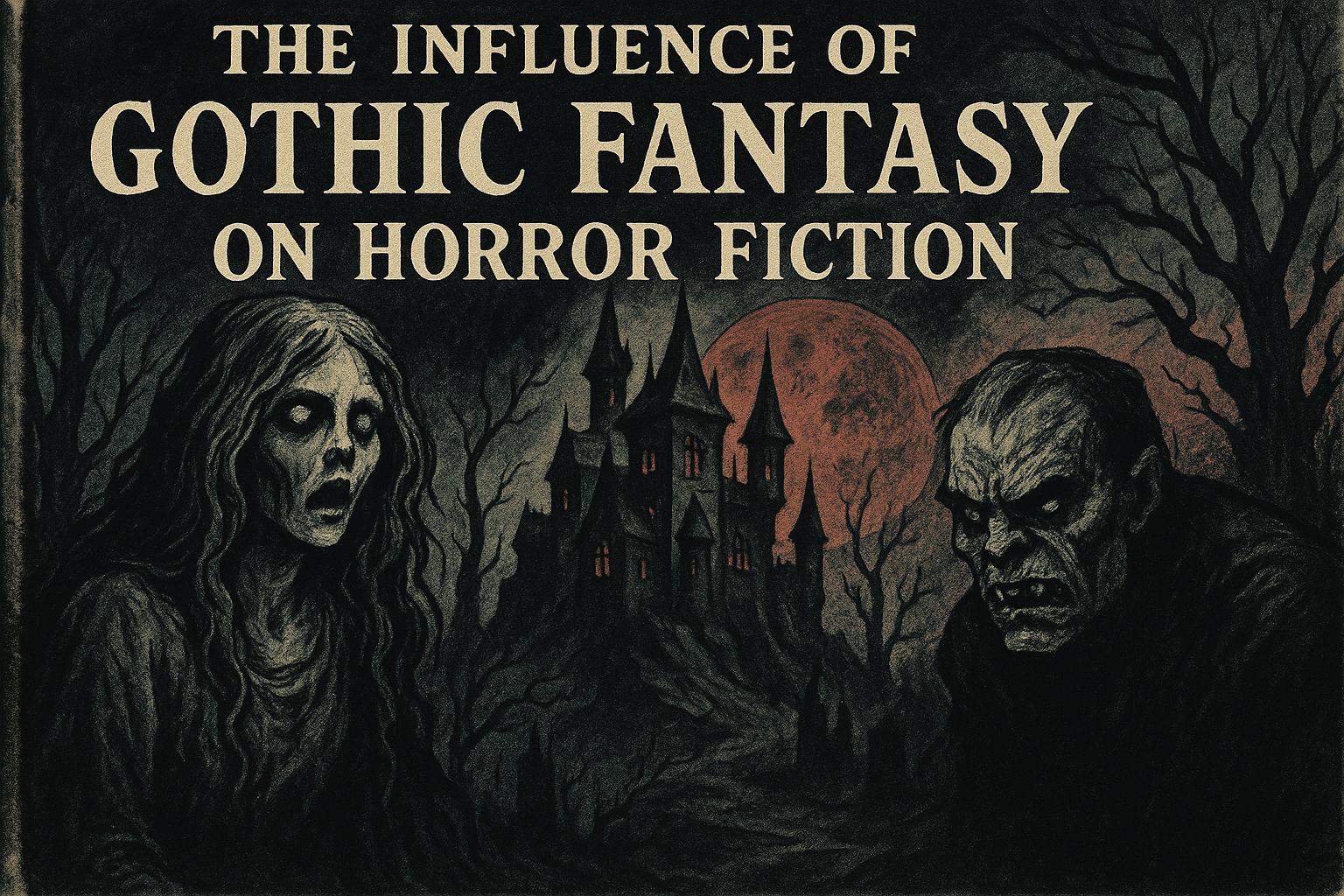
Gothic fantasy is distinguished by a number of core elements, each playing a critical role in its development and in its lasting influence on horror fiction. Atmospheric settings serve as one of the defining components of the genre, often incorporating castles, abbeys, or other historical architecture that creates a palpable sense of dread and suspense. These settings are not mere backdrops; rather, they are active participants in the narrative, almost sentient in their presence and influence.
Another significant element is a sense of decay. This manifests in both physical dilapidation and spiritual or moral decline, suggesting a haunting continuity between past and present. The pervasive presence of decay introduces an element of inevitability and inescapability that underpins much of the psychological tension in gothic stories.
Intense emotional experiences also characterize gothic fantasy, often expressing themes of terror, passion, and madness. These emotional undertones have greatly impacted the development of horror fiction, offering rich avenues for exploring the darker aspects of human nature and the psyche.
Supernatural and Psychological Dimensions
The introduction and exploration of the supernatural is one of the most enduring features of gothic fantasy. Ghosts, vampires, and other night creatures not only populate these narratives but also serve to blur the lines between reality and imagination, challenging the notion of rationality. They embody fears of the unknown and the inexplicable, which continue to echo in contemporary horror narratives.
Equally significant in gothic literature is the psychological dimension it brought to storytelling. Works such as Mary Shelley’s “Frankenstein” delve deeply into themes of internal conflict, madness, and the human condition, offering nuanced explorations of existential angst. This psychological depth, introduced with the gothic tradition, has remained a vibrant feature of horror fiction, allowing for profound examinations of consciousness and identity.
The Transition to Modern Horror
As we moved into the 19th and 20th centuries, the influence of gothic literature began to interweave with emerging ideas, giving rise to the diverse sub-genres of horror fiction we acknowledge today. Authors like H.P. Lovecraft expanded upon the gothic legacy by incorporating elements of cosmic horror, wherein the terror arises from the incomprehensible and otherworldly. This represented a significant departure from the more localized, earthy supernatural elements of traditional gothic stories, focusing instead on the insignificance of humanity within the vast cosmos.
Contemporary horror fiction, in many ways, continues to revisit and renew gothic themes. This is evident in modern narratives that embed gothic elements within contemporary settings, offering fresh perspectives on time-honored motifs. Whether through the reimagining of classic gothic monsters or the adaptation of age-old themes of dread into new narrative frameworks, the influence of gothic fantasy is unmistakable.
Conclusion
The enduring legacy of gothic fantasy within the broader context of horror fiction speaks to the power and versatility of its themes. By providing a structural framework that integrates supernatural occurrences with profound psychological insight, gothic fantasy has enriched horror fiction, offering some of its most compelling sources of inspiration. This influence is visible in today’s literary landscape, where the elements of gothic imagination perpetually echo within the works of modern writers.
For those interested in delving deeper into the storytelling mechanics and themes prevalent in gothic literature, numerous resources are available that dissect narrative structures and thematic elements, offering insights into the lasting appeal of this fascinating genre. As the world of gothic fantasy continues its haunting journey through the corridors of modern literature, readers and writers alike are drawn into its shadowy embrace, compelled by the timeless allure of its mystery and majesty.
Comments are closed.
Comments on 'The Influence of Gothic Fantasy on Horror Fiction' (0)
Comments Feed