The Legacy of The Lord of the Rings in Literature
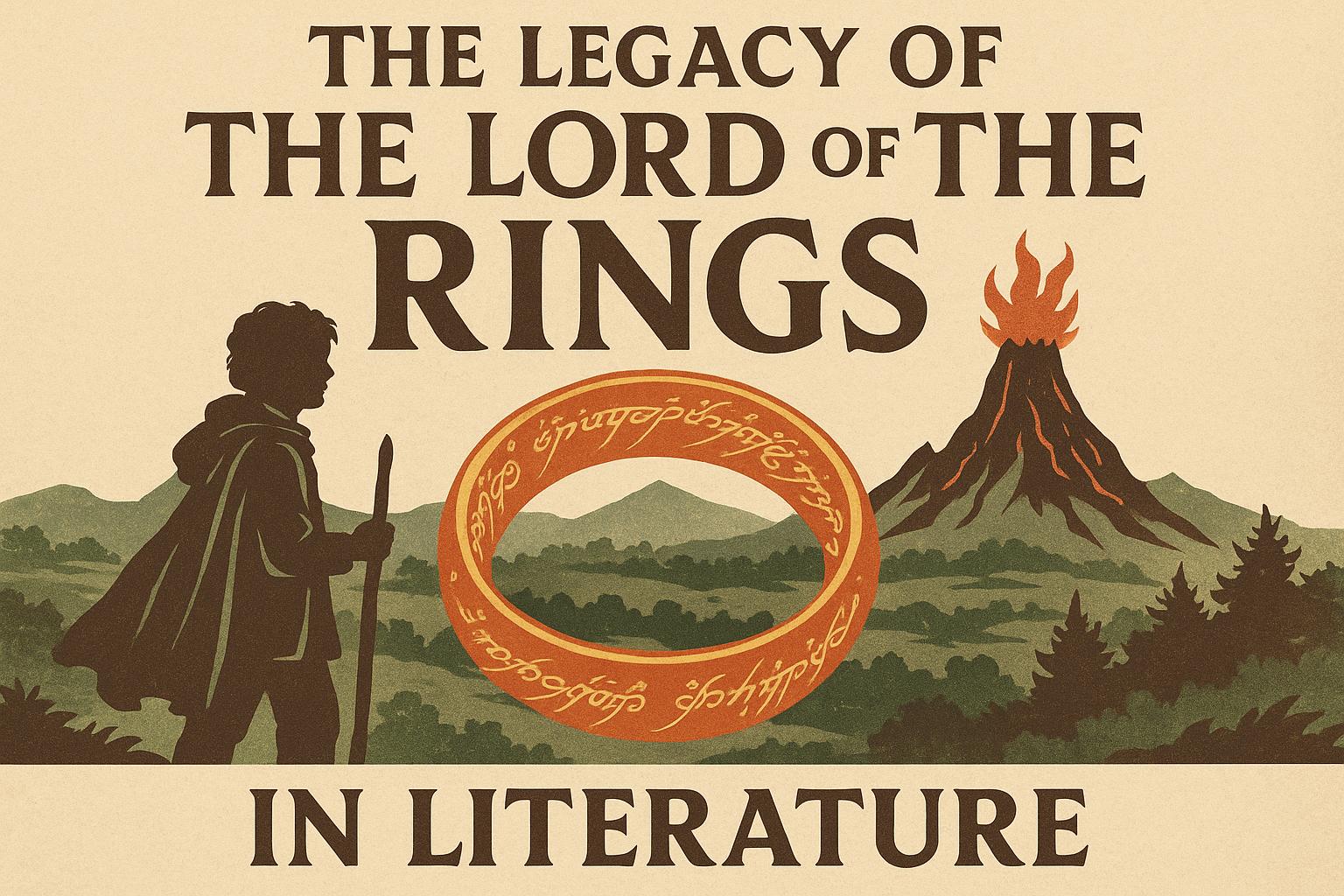
The Influence of Tolkien’s Epic
J.R.R. Tolkien’s iconic work, The Lord of the Rings, has left a lasting imprint on the world of literary fiction. Published between 1954 and 1955, this epic fantasy trilogy not only won the adoration of readers across the globe but also carved a fresh trajectory for the fantasy genre. Tolkien’s impact can be witnessed across literary realms, inspiring a myriad of writers and standing as a hallmark of narrative storytelling.
Development of Modern Fantasy
Prior to Tolkien’s contribution, the landscape of fantasy was largely typified by mythic or fairy tale constructs. The Lord of the Rings marked a sensational shift in this paradigm, playing a crucial role in sculpting modern fantasy literature. One of the monumental changes was the introduction of intricate, immersive world-building. Tolkien’s creation of Middle-earth exemplifies this. He did not merely draft a backdrop for his narrative; he meticulously constructed a world, complete with its own languages, history, and cultures. This shift towards comprehensive world-building established a new benchmark, prompting authors to envision realms that are not only imaginative but also meticulously detailed and credible.
Impact on Epic Storytelling
The narrative framework of The Lord of the Rings is yet another facet where Tolkien’s influence persists. This epic narrative seamlessly ushered epic storytelling into the confines of modern literature. Through a multi-layered plot interwoven with intersecting subplots and an ensemble of diverse characters, Tolkien crafted a narrative tapestry both expansive in its scale and intimate in its portrayal of personal stories. He not only wove a tale with grand themes but embedded within it the smaller, personal arcs that allow readers to find their own reflections in the storylines. This intricate storytelling approach has long inspired a multitude of authors to adopt complex narrative structures and explore themes of significant breadth.
Character Archetypes and Themes
A further junction where Tolkien’s influence is vividly evident is in his adeptness at revitalizing character archetypes. He reinvigorated time-honored tropes like the heroic quest and the reluctant hero while keenly exploring the struggle between the forces of good and evil. These archetypes have become quintessential constructs in fantasy literature, furnishing a skeletal framework upon which an array of stories have been formulated. Moreover, Tolkien daringly delved into themes of power and its propensity to corrupt, the strength of friendship, and the ethos of sacrifice. These themes are omnipresent, serving as enduring touchstones that resonate profoundly with both readers and writers in their narrative explorations.
Broader Cultural Impact
The reach of The Lord of the Rings transcends literature, permeating various arenas of culture, including cinema, video games, and other media. The highly successful film adaptations helmed by director Peter Jackson played a significant role in rekindling global interest in Tolkien’s original works, thereby introducing his fantastical creations to a whole new generation. In the realm of gaming, the rich and evocative landscapes of Middle-earth and its elaborate mythology have served as a fertile ground for the development of numerous fantasy games. These cultural digressions further fortify Tolkien’s legacy, attesting to the timeless appeal and expansive influence of his masterwork.
In pursuit of a deeper understanding of Tolkien’s sway over contemporary literary circles, those interested might consider delving into an array of academic discourses and literary critiques. Such extensive analyses provide a richer narrative of how Tolkien’s monumental trilogy has ceaselessly influenced modern storytelling, encouraging innumerable writers to venture boldly into the imaginative territories he first explored.
Continuing Relevance and Influence
Tolkien’s grasp over the fantasy genre extends even to this day, decades after the initial publication of his notable trilogy. New authors consistently cite Tolkien as a pivotal influence, drawing inspiration from the comprehensive worlds he built and the profound thematic elements he explored. His works have elevated fantasy from mere escapist tales to cherished narratives that probe existential questions and mirror real-world dilemmas. Through Middle-earth, Tolkien managed to capture the essence of human struggles and victories, utilizing fictional allegories to navigate complex themes, thus captivating the imaginations of readers regardless of their age.
Philosophical Underpinnings and Moral Questions
One cannot ignore the philosophical underpinnings that Tolkien weaves into his narrative. His elucidation on matters such as the human condition, the cyclical nature of history, and the eternal tug-of-war between despair and hope presents readers with an enriched tapestry for contemplation. The implicit moral questions concerning honor, duty, and courage summoned readers to introspectively examine their own values and convictions. Thus, Tolkien elevated the fantasy genre to serve as a mirror reflecting real-world complexities.
Contribution to Language and Linguistics
Delving into the linguistic contributions that Tolkien made serves as yet another dimension of his vast influence. Notorious for his philological expertise, Tolkien’s creation of intricate languages, such as Elvish, added a layer of depth and authenticity to Middle-earth. A linguist by training, Tolkien’s reserve of constructed languages featured authentic grammars and etymologies, enriching his narratives and landing them an unparalleled authenticity. For linguists and language enthusiasts, these languages embody a testament to Tolkien’s masterful craftsmanship at the intersection of language and lore.
Influence on Future Generations
As future generations continue to encounter The Lord of the Rings, the impact of Tolkien’s work remains as resonant as ever. It not only inspires creative minds but subtly influences how narratives are born, fostered, and realized across mediums. From page to screen, and even to interactive games, the core of Tolkien’s vision—that epic tales of heroism entwined with stark realities can enthuse earthly insights and universal truths—prevails and pushes the boundaries of human creativity.
In conclusion, J.R.R. Tolkien’s magnum opus stands sentinel over the evolving genre of fantasy literature. It is through his narrative innovation and profound understanding of storytelling that The Lord of the Rings managed to leave an unforgettable imprint. This monumental work continuously reshapes the landscape of not just fantasy writings but narrative art in general, persistently challenging and inspiring those who dare to tread the paths he so courageously paved. For an exhaustive study into the continuing impact of Tolkien’s vision on contemporary literature and beyond, academic critiques and discussions remain invaluable resources.
Comments are closed.
Comments on 'The Legacy of The Lord of the Rings in Literature' (0)
Comments Feed