The Origins of Urban Fantasy and Its Popularity
The Emergence of Urban Fantasy
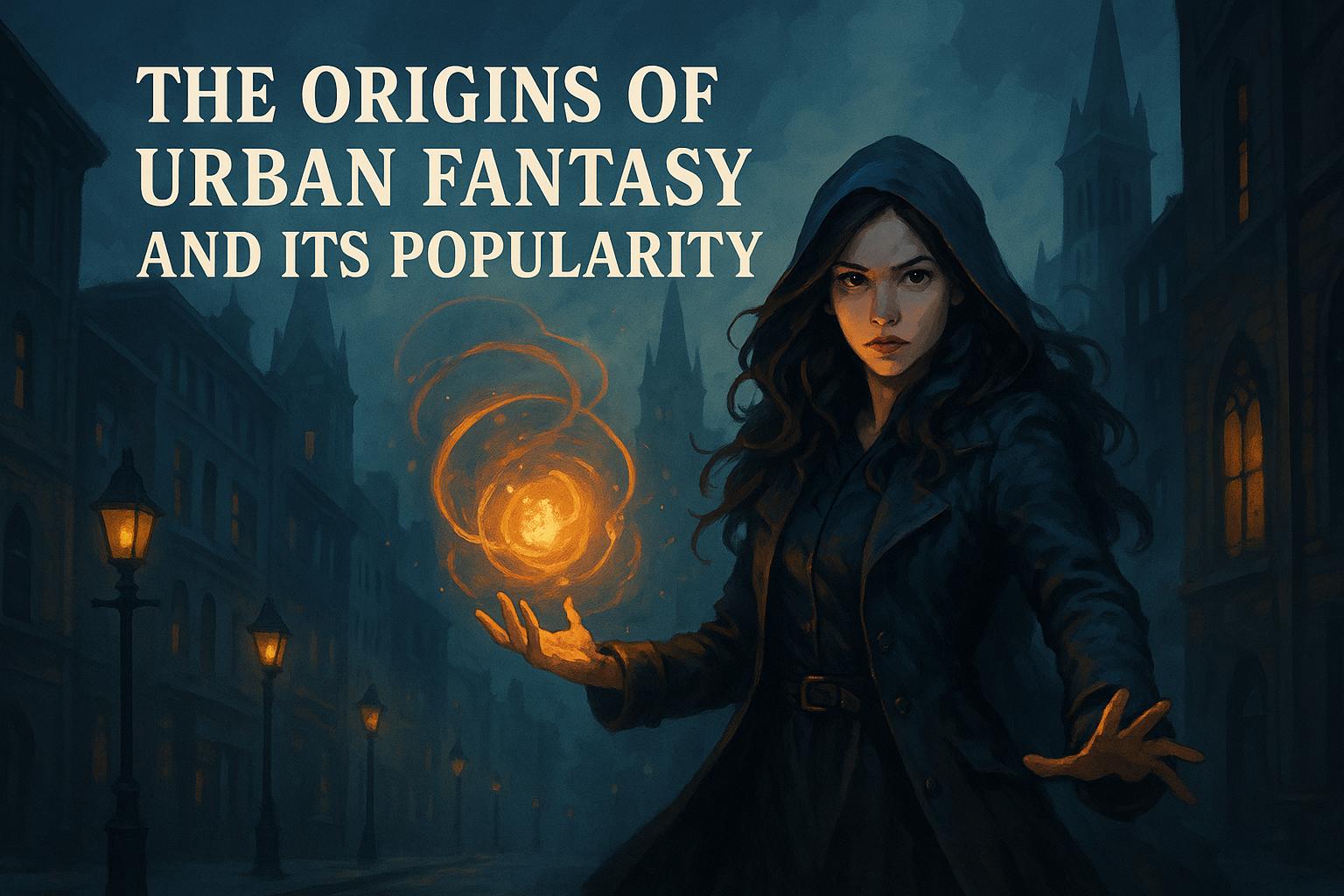
The genre of urban fantasy can trace its origins to the latter part of the 20th century. It is a subgenre of fantasy that seamlessly blends fantastical elements with a modern urban setting. This fusion has become increasingly popular due to its ability to juxtapose the magical with the mundane, making extraordinary experiences appear possible in familiar environments.
Historical Context
Urban fantasy’s origins are closely tied to the evolution of fantasy literature in general. The late 1970s and early 1980s saw the emergence of urban-centric narratives that defied the traditional medieval landscapes often associated with the genre. Authors such as Charles de Lint and Emma Bull were instrumental during this period. Their works, which highlighted mystical occurrences in urban settings, helped solidify urban fantasy as a distinct category. This was a time when readers became more receptive to the idea that magic could be hidden in the nooks and crannies of everyday city life, offering a new literary escape that was both wondrous and intimately familiar.
Defining Characteristics
A defining characteristic of urban fantasy is its setting in contemporary cityscapes, where magical elements—such as mythical creatures, magical practices, or parallel universes—are integrated into everyday life. Unlike traditional fantasy settings that transport readers to distant realms, urban fantasy grounds its stories in the world outside your window. By intertwining the supernatural with modern-day challenges, these stories disrupt the expected dichotomies of real and imaginary, allowing the genre to explore themes of identity, power, and belonging within urban environments.
Blending of Genres
Urban fantasy often weaves together elements from various genres, adding layers to its narrative complexity. It borrows from the mystery, horror, and romance genres, creating a multifaceted storytelling approach. For instance, the mystery elements might take the form of supernatural detectives solving magical crimes, while horror elements may introduce threats from otherworldly creatures lurking in the shadows of the city. Romance can add depth to character dynamics, providing personal stakes and emotional engagement within the framework of urban fantasy. These blended elements contribute to its wide appeal, attracting a diverse readership.
Popularity and Cultural Impact
Urban fantasy has seen a surge in popularity over the past few decades, driven in part by the increasing presence of magical realism in popular media. Television series like Buffy the Vampire Slayer and book series such as the Harry Potter franchise brought attention to the genre and expanded its audience base significantly. The accessibility of urban fantasy across various media platforms has allowed it to become a staple of modern storytelling, influencing not just novels but also film, television, and even video games. Cultural discussions around urban fantasy often involve its ability to address contemporary issues through the lens of the supernatural, offering commentary on societal norms and human nature.
Influential Works and Authors
Some novels and series have played pivotal roles in shaping and popularizing urban fantasy. Authors like Neil Gaiman with Neverwhere and Jim Butcher with The Dresden Files have made notable contributions to the genre. Their works have brought urban fantasy into mainstream culture, influencing a generation of both writers and readers. These authors, among others, have used urban fantasy as a platform to explore new ideas about humanity’s relationship with magic and technology, often reflecting deeper philosophical questions about existence and morality.
Audience Appeal
The appeal of urban fantasy lies in its relatability, allowing readers to envision magic intersecting with the realities of urban life. It offers escapism while simultaneously engaging with social issues, enabling readers to explore contemporary problems through a speculative lens. This relatability is amplified by the genre’s frequent focus on flawed, complex protagonists who navigate both magical and mundane challenges, making them appealing and recognizable to modern audiences. The genre’s ability to reflect on current urban lifestyles and dilemmas, such as gentrification, cultural diversity, and technological advancement, allows it to remain relevant and thought-provoking.
The Future of Urban Fantasy
The future of urban fantasy appears promising, with new authors expanding the boundaries of the genre. Advances in technology and a growing interest in diverse voices are likely to continue shaping urban fantasy narratives, introducing fresh perspectives and innovative storylines. As digital platforms and self-publishing become increasingly prevalent, more writers from varied backgrounds will have the opportunity to share their unique takes on what urban fantasy can be. Furthermore, the intersection of urban fantasy with developing technologies, such as augmented reality and virtual reality, may offer new modes of immersive storytelling that redefine how audiences experience the genre.
The adaptability and ever-evolving nature of urban fantasy ensure that it will continue to captivate audiences. With its ability to comment on social dynamics and envision alternative realities, urban fantasy remains a significant and engaging field within the broader literary landscape. For further reading on urban fantasy, consider exploring books by other influential authors or examining academic analyses of the genre’s evolution. This continued exploration will shed light on the dynamic and ever-changing landscape of urban fantasy, reaffirming its place in contemporary culture.
Comments are closed.
Comments on 'The Origins of Urban Fantasy and Its Popularity' (0)
Comments Feed