The Rise of Fantasy Literature in the 21st Century
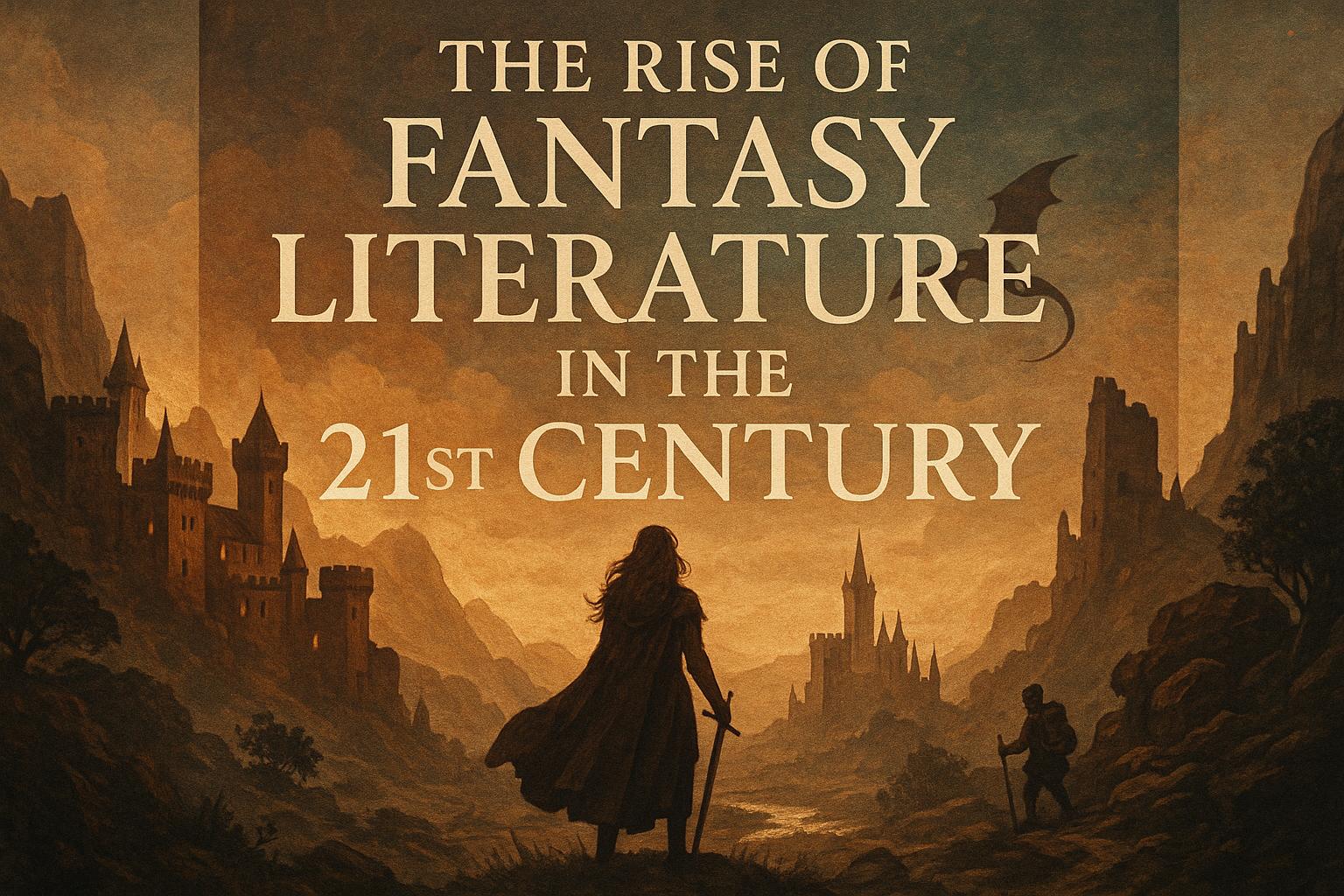
The Evolution of Fantasy Literature in the 21st Century
Fantasy literature has undergone significant evolution and expansion in the 21st century, marking an era of heightened interest and diversity within the genre. While its roots can be traced back to ancient myths and legends, contemporary fantasy has gained a substantial following due to various cultural and technological developments.
Influence of Technology and Digital Media
The digital revolution has played a pivotal role in the dissemination and popularity of fantasy literature. The rise of e-books and platforms like Amazon Kindle have made fantasy books more accessible than ever. These digital formats allow readers to explore vast magical worlds with ease, contributing to the genre’s growth. Digital technology not only offers convenience but also enables authors to reach a global audience without the traditional barriers of print distribution. This accessibility has democratized reading, allowing more people to partake in the fantastical realms that the genre presents.
Online Communities and Fan Engagement
The internet has fostered strong fan communities built around fantasy literature. Social media and platforms like Goodreads enable readers to connect, share reviews, and recommend books. This connectivity encourages the discovery of new works and fosters a sense of community among fans of the genre. Online forums and discussion groups provide spaces where fans can delve into detailed discussions about plot lines, theories, and character developments within their favorite fantasy series. These communities often play a crucial role in supporting authors, providing feedback, and spreading the word about lesser-known works, thus expanding the reach of fantasy literature.
Increasing Diversity in Fantasy Literature
The 21st century has seen a remarkable increase in diversity within fantasy literature. Authors from various backgrounds are incorporating elements from their own cultures to craft unique stories. This trend has broadened the scope of the genre, bringing in fresh perspectives and narratives. This shift is not only evident in the stories but also in the authors who write them. More voices from traditionally underrepresented groups are gaining recognition, contributing to a more inclusive understanding of fantasy worlds.
Inclusive Storytelling
There is a growing movement towards inclusive storytelling that represents a wider array of characters, including those featuring diverse cultures, ethnicities, and genders. Such inclusivity not only enriches the narrative but also helps in attracting a broader demographic of readers. By presenting characters from varied backgrounds, fantasy literature becomes a mirror reflecting the multiplicity of real-world experiences. This inclusivity can lead to stories that explore themes like cultural identity, systemic oppression, and resilience in ways that resonate with many readers, making it easier for a diverse audience to see themselves in the pages of fantasy novels.
The Role of Adaptations in Media
Film and television adaptations have been instrumental in bringing fantasy literature to a wider audience. Successful adaptations such as Harry Potter and The Lord of the Rings have demonstrated the commercial viability of fantasy stories, encouraging further adaptations. Streaming services have also capitalized on this trend by producing serialized versions of popular fantasy books. These adaptations allow fans to visualize the stories and characters they love, bringing to life the detailed worlds created by authors through state-of-the-art visual effects and compelling narratives.
Impact on Book Sales and Readership
Adaptations often lead to an increase in book sales as new audiences are drawn to the source material. This cycle of media adaptation and increased readership helps sustain and grow the genre’s popularity. As a result, fantasy literature continues to thrive, capturing the imagination of millions globally. Books like Game of Thrones have seen immense spikes in sales following their televised series, exemplifying how on-screen representations can drive interest back to the original literary works. This synergy between literature and media adaptations underscores the cultural impact of fantasy genres across various platforms.
Conclusion
Fantasy literature in the 21st century has expanded its influence through technological advancements, greater diversity, and cross-media adaptations. It continues to be a dynamic and evolving genre, attracting new readers and inspiring the creation of ever more imaginative worlds. This evolution reflects broader social changes and highlights fantasy literature’s enduring appeal and relevance in today’s world. As society continues to diversify and technology progresses, fantasy literature is poised to embrace new innovations and perspectives, ensuring its place as a cornerstone of modern literary culture. The fusion of historical inspiration and contemporary innovation promises a bright future for both creators and consumers of fantasy literature.
Comments are closed.
Comments on 'The Rise of Fantasy Literature in the 21st Century' (0)
Comments Feed